

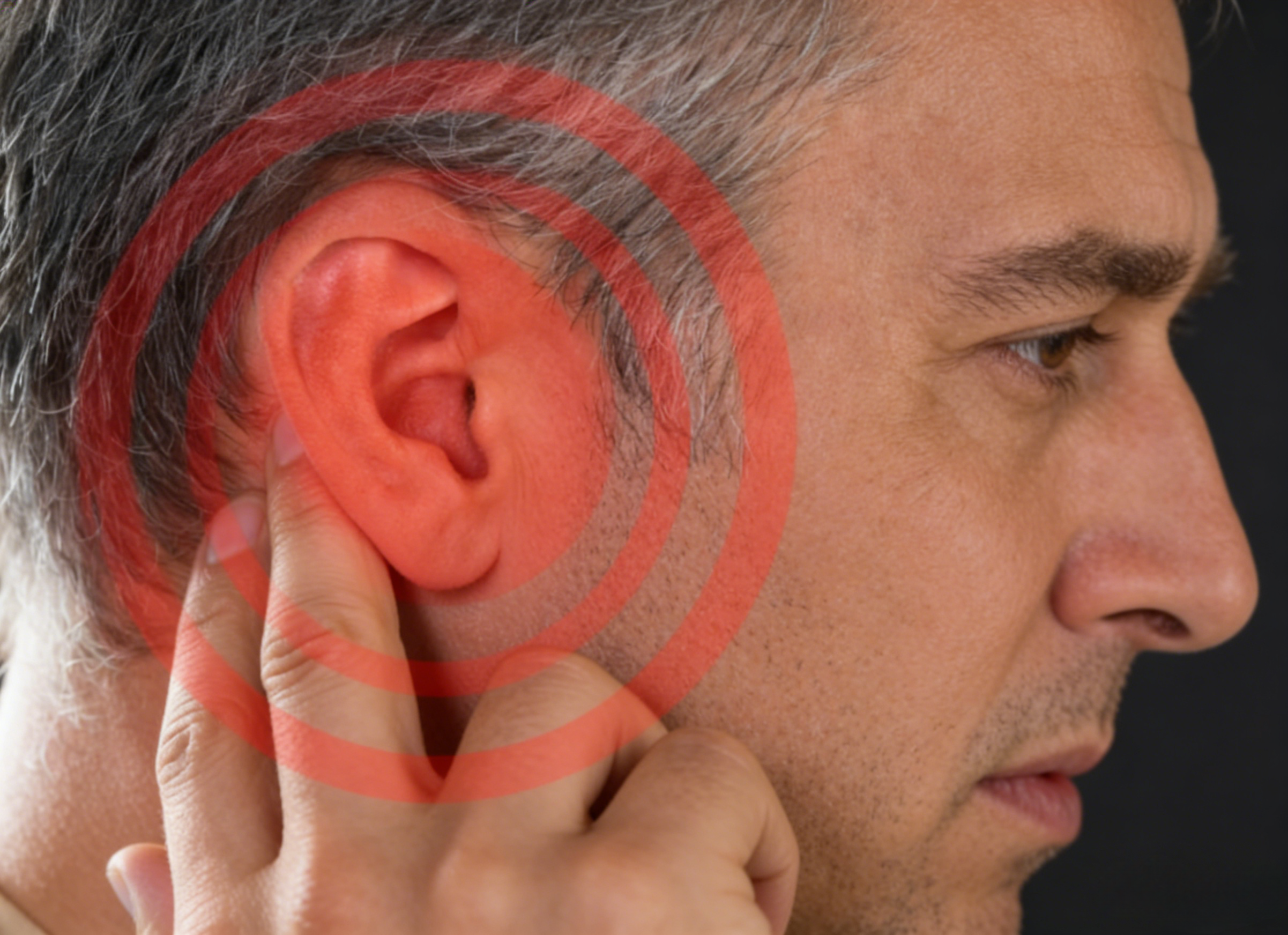
A rhythmic pulsing or thumping sound in your ear, synchronized with your heartbeat, can be deeply disruptive to focus, sleep, and calm. Known as pulsatile tinnitus, this condition is often linked to blood flow, ear health, or physical stress—but with the right care and smart tools, you can find relief and prevent recurrence. At minixtec, we combine professional-grade science with gentle, portable care to support your ear wellness every day. This guide explains what pulsatile tinnitus is, what causes it, how to find relief, and how daily care can help you stay comfortable.
What Is Pulsatile Tinnitus?
Pulsatile tinnitus is a distinct form of hearing disturbance where you perceive a rhythmic pulsing sound that matches your heartbeat. Unlike common tinnitus (a constant ringing or buzzing), this pulsing comes from changes in blood flow or structural sensitivity near the ear.
Most cases are mild and manageable, but persistent pulsing should not be ignored—it can signal underlying issues like elevated blood pressure, ear canal blockage, inflammation, or vascular changes. Early awareness and gentle care often prevent symptoms from worsening.

Key Causes of Pulsatile Tinnitus
Understanding the triggers helps you choose the safest, most effective relief:
-
Hypertension & Blood Flow Changes
Higher pressure creates turbulent blood flow near the ear, leading to audible pulsing.
-
Earwax Impaction
Buildup does not directly cause pulsatile tinnitus but blocks external sound and amplifies internal noises, making pulsing more noticeable.
-
Middle Ear Inflammation or Fluid
Swelling and congestion disrupt normal hearing and heighten sensitivity to vascular sounds.
-
Vascular & Structural Factors
Arterial narrowing, venous variations, or thin bone near vessels can increase sound conduction.
-
Stress, Anxiety & Fatigue
Heightened nervous system sensitivity makes you more aware of internal body sounds like pulsing.
-
Eustachian Tube & Pressure Imbalance
Poor pressure regulation increases awareness of blood flow rhythms.
If pulsing occurs often, gentle monitoring and professional guidance are strongly recommended.
How to Relieve Pulsatile Tinnitus: Home Care & Professional Support
Gentle Home Remedies (for mild, occasional symptoms)
These safe, non-invasive steps can reduce discomfort:
-
Warm Compress
Apply a low-temperature warm cloth to the outer ear to improve circulation and soothe tension.
-
Hydrate & Balance Sodium
Dehydration and excess salt raise ear pressure and worsen pulsing.
-
Stress Relief
Slow breathing, gentle stretching, or meditation lower anxiety‑driven sensitivity.
-
Improve Sleep Posture
Keep your head slightly elevated to reduce vascular pressure near the ears.
-
Smart At‑Home Monitoring
Use minixtec Ear Cleaner Plus to inspect your ear canal safely. Its HD camera and soft flexible probe let you check for wax buildup, redness, or irritation early—before symptoms escalate.
Medical Interventions (for persistent or severe cases)
Always consult a healthcare professional for proper diagnosis. Treatment may include:
- Medication to manage blood pressure, infection, or thyroid function.
- Professional ear cleaning to resolve dangerous impaction.
- Evaluation for vascular or structural concerns.
- Minimally invasive procedures for rare anatomical causes.
How to Prevent Pulsatile Tinnitus: Daily Ear Care with minixtec
Consistent, gentle care keeps ears clear, balanced, and less prone to pulsing.
Keep Ear Canals Clear & Safe
Avoid cotton swabs—they push wax deeper and injure delicate tissue.
minixtec Ear Cleaner Plus supports safe, visual cleaning:
- HD real-time view for precise, gentle removal
- Slim, flexible design protects the ear canal
- Disposable tips for hygienic family use
- Matte black, travel‑friendly build
Keep Ears Dry & Healthy
Moisture raises infection risk. Dry gently after bathing or swimming.
Protect Hearing & Circulation
Follow the 60/60 headphone rule; manage blood pressure with diet and activity.
Maintain ENT Wellness
Healthy nasal and throat function supports balanced ear pressure and reduces sensitivity.
With minixtec’s Big Science, Mini Format philosophy, professional ear care fits in your pocket.

FAQ
Is pulsatile tinnitus serious?
Most cases are mild, but persistent pulsing or symptoms with dizziness, hearing loss, or headache require medical evaluation.
Can stress really cause ear pulsing?
Yes. Stress amplifies awareness of internal sounds, making pulsing more noticeable.
Do I need to clean my ears to prevent pulsing?
Safe, gentle cleaning reduces blockages that amplify internal noise. Always use visual tools—not blind probing.
Can mild pulsing go away on its own?
Yes—especially when caused by temporary stress, mild congestion, or small wax buildup.
Conclusion
Pulsatile tinnitus disrupts calm, but relief is within reach. By understanding its causes, using gentle home remedies, seeking timely care, and maintaining consistent ear health, you can reduce discomfort and prevent recurrence.
At minixtec, we create professional, portable personal care that fits your life. Our smart ear care tools help you monitor, clean, and protect your ears safely—so you can live with calm, clear hearing.
Share:
Safe Ear Pressure Relief & Care for Stress‑Free Flying
Adult Ear Infection Prevention: Complete Daily Protection for Healthy Ears