

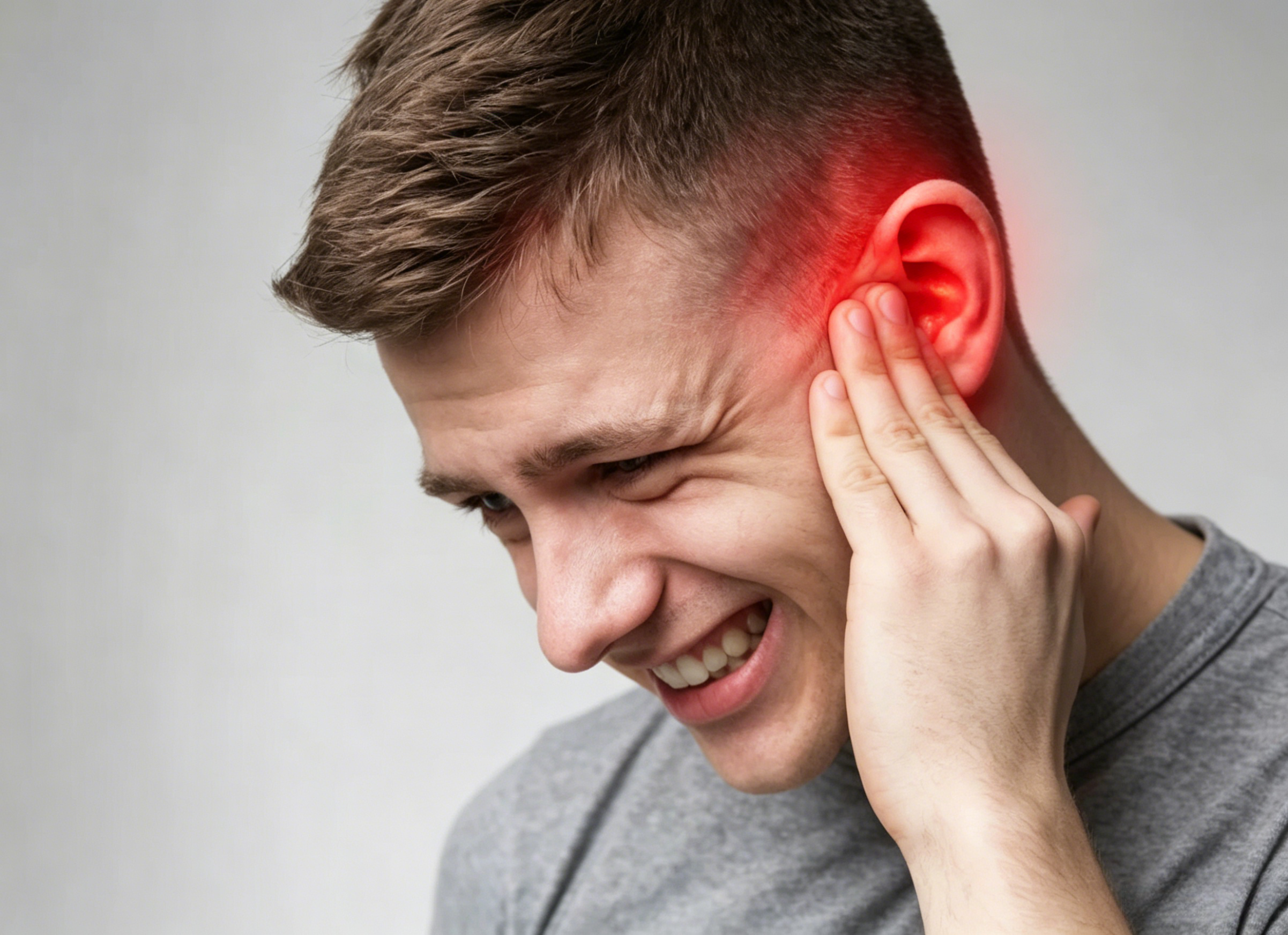
It is common to experience muffled hearing, ear fullness or mild discomfort right after earwax removal. While removing blockages usually restores clear hearing instantly, temporary auditory changes do happen to many people. Following minixtec’s Big Science, Mini Format philosophy and core values of Lightness, in Every Sense and Total Care, No Compromise, this article explains the underlying reasons, risks of improper cleaning, recovery timelines, safe home solutions and when to seek professional medical help.
Part 1 Why Hearing Feels Altered After Wax Removal
Earwax naturally protects the ear canal. After clearance, temporary hearing issues are mostly short-lived and caused by these factors:
- Mild swelling and irritation of the delicate ear canal skin during cleaning
- Residual wax fragments or trapped water inside the ear
- Temporary pressure and sensitivity on the eardrum
- Pre-existing ear conditions that were hidden by accumulated wax
Most of these symptoms fade naturally, but rough and careless cleaning may lead to long-term ear problems.
Part 2 Hidden Risks of Improper Ear Cleaning
Unprofessional wax removal carries multiple hazards for fragile ear tissue:
- Canal scratches & infection: Cotton swabs and sharp tools easily scrape the ear lining, triggering pain, swelling and secondary infection.
- Wax impaction: Cotton buds often push wax deeper and compact it against the eardrum, making blockage harder to resolve.
- Eardrum perforation: Excessive force or rigid tools may rupture the eardrum, causing sharp pain, dizziness and sudden hearing loss.
- Bacterial infection: Unclean tools introduce germs, resulting in ear pain, discharge and fever.
- Chronic tinnitus: Repeated rough irritation may develop persistent ringing in the ears.
Always avoid aggressive DIY methods to protect long-term ear health.

Part 3 Specific Causes of Lingering Muffled Hearing
If your hearing still feels blocked after cleaning, check for these common issues:
- Hardened deep wax that was not fully cleared
- Swollen canal skin caused by over-manipulation
- Residual water left after ear irrigation
- Temporary eardrum sensitivity from suction or pressure changes
- Underlying infections, aging-related hearing loss or nerve problems
Self-diagnosis is tricky. A professional ENT examination can accurately locate the real cause.
Part 4 Typical Recovery Timeline
The time needed for hearing to return to normal varies by situation:
- Immediate recovery: Complete, safe wax removal with no irritation — hearing clears right away.
- 1 to 3 days: Minor swelling or trapped fluid inside the ear.
- Up to 1 week: Small scratches or mild inflammation require longer healing.
Warning: If abnormal hearing lasts over one week, or you have severe pain, discharge and fever, visit a doctor immediately.
Part 5 Standard Safe Home Earwax Removal Steps
Follow these doctor-recommended steps for gentle at-home care:
- Use ear drops or natural oil to soften hardened wax fully before removal.
- Rinse gently with warm water using a rubber bulb, then tilt your head to drain liquid.
- Never insert cotton swabs or sharp objects deep into the ear canal.
- Choose flexible, round-tip ear tools designed for home use.
Smart Visual Ear Cleaners from minix
Built on our Big Science, Mini Format design concept, our visual ear cleaners combine HD cameras and soft silicone tips. You can view the ear canal in real time via your phone, operate with full visibility, prevent wax from being pushed inward and avoid scratches. Lightweight and portable, they follow the Lightness, in Every Sense principle and suit daily use for the whole family. Remember to disinfect accessories before and after each use.

Part 6 When to See a Professional Instead of DIY
Stop self-cleaning and turn to an ENT specialist if you have:
- Persistent ear pain, fullness or fluid discharge
- Bleeding, dizziness and balance problems
- A history of ear surgery
- Uncertainty about the exact cause of blockage
Clinicians use professional microscopes, suction devices and precision tools to remove wax safely and check for hidden lesions.
Final Thought
Temporary muffled hearing after earwax removal is usually a harmless reaction. The key is to master scientific cleaning methods and stay away from dangerous tools.
Share:
A Closer Look at Different Forms of Hearing Impairment